


Flickering Lights in a House: Causes and Solutions
Flickering lights are often your home’s way of telling you something isn’t working correctly in the electrical system. While some causes are easy to fix, others can put your safety at risk and need prompt attention from a licensed electrician.
Key Takeaways
- A single flickering light often points to a local issue, such as a loose bulb, a failing fixture, or a switch problem.
- Flickering that affects multiple lights or happens when large appliances turn on can signal a bigger electrical issue, such as an overloaded circuit or a service connection problem.
- Warning signs like buzzing, burning smells, or warm outlets mean you should stop using the flickering light or circuit and call a licensed electrician right away.
If you have flickering lights in your house, it’s easy to wonder whether you’re dealing with a small annoyance or a real electrical problem. In some cases, the fix is simple, like replacing a loose bulb. In other cases, lights that flicker can point to wiring issues, overloaded circuits, or other problems that need a licensed electrician right away.
Are Flickering Lights in a House a Sign That Something Is Wrong?
Sometimes a flickering light can be harmless, but typically it’s an early warning sign that something in your electrical system isn’t working the way it should.
Why Are Your Lights Flickering?
Here are some of the most common reasons your lights may be flickering.
1. Loose or Failing Light Bulbs
One of the most common causes for flickering lights in the house is that a bulb isn’t fully screwed in or is starting to wear out. When the connection isn’t steady, the light may blink, dim, or flicker on and off.
This is often the first thing to check, especially if only one light is acting up. If tightening or replacing the bulb solves the problem, the issue may be minor.
2. Incompatible LED Bulbs or Dimmer Switches
LED bulbs are energy efficient, but they don’t always work well with older dimmer switches. If you have a dimmable fixture and the bulb or switch isn’t compatible, the light may flicker often.
You might also notice flickering when you dim the lights to a certain level. This is a common issue in newer homes and older homes alike.
3. Loose Plug or Outlet Connection
If a lamp flickers when plugged into a certain outlet, the problem may not be the lamp at all. A loose outlet or worn connection can cause the power flow to become uneven. Don’t ignore this. Electrical connections need to stay secure to work safely.
4. Circuit Overload
Your lights may flicker when a large appliance turns on, such as your air conditioner, microwave, refrigerator, or washing machine. This can happen when the circuit is carrying too much electrical demand at once.
A brief dimming when a major appliance starts may happen from time to time. But if it happens often or seems severe, you should contact an electrician to assess your electrical system.
5. Faulty Light Switches or Fixtures
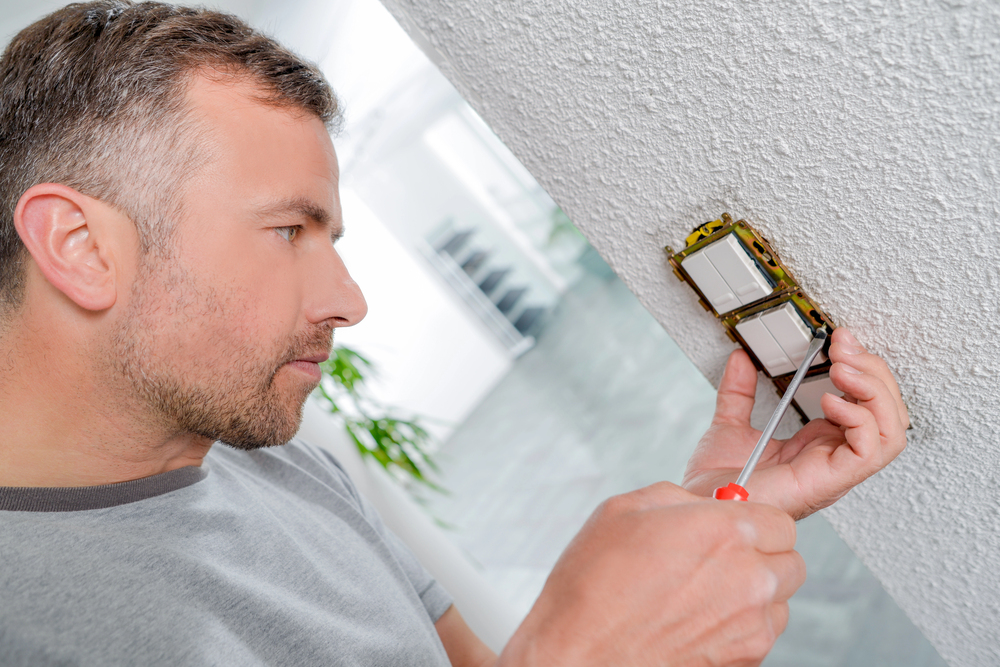
Sometimes lights flicker because there’s a problem inside the fixture or switch itself. Old, worn, or damaged parts can interrupt the electrical connection and cause flickering.
You may notice this if the light flickers when you flip the switch, touch the fixture, or walk through the room. That usually means the problem is tied to that specific fixture or control.
6. Loose Wiring
Loose wiring is one of the more serious causes of flickering lights. Wires that aren’t connected properly can cause inconsistent power and may even lead to overheating.
This is especially important if your lights flicker in more than one room, if the flickering gets worse over time, or if you notice buzzing sounds, burning smells, or warm outlets.
7. Problems With the Service Connection
If multiple lights flicker throughout your home, the issue may be outside the individual rooms or circuits. In some cases, there may be a problem with the main electrical panel, meter connection, or utility service line. This type of problem can affect your whole house and should be checked by an electrician as soon as possible.
Is a Flickering Light Bulb Dangerous?
A flickering light bulb isn’t always dangerous, but it can be. If the problem is just a loose bulb, the risk may be low and easy to fix. But if the flickering is caused by loose wiring, a failing switch, a damaged fixture, or a problem with the electrical panel, it can become a fire hazard.
You should take flickering more seriously if:
- The flickering affects more than one light
- Lights dim when appliances turn on
- You hear buzzing or crackling
- You smell something burning
- An outlet or switch feels warm
- The flickering is getting worse
If any of those signs are present, it’s best to stop using that light or circuit and call a licensed electrician. Electrical hazards aren’t something to put off because they can put your health and property in danger.
How Do You Fix Flickering Lights?

How you fix flickering lights depends on what’s causing them. Some problems, like a loose bulb, are easy to check on your own. Others, like faulty wiring or an overloaded circuit, should be handled by a licensed electrician. The steps below walk through some of the most common ways to fix flickering lights.
Tighten or Replace the Bulb
Start by turning off the light and letting the bulb cool down. Then check that the bulb is screwed in tightly. If the light still flickers, replace the old bulb with a new one. If the flickering stops, you’ve likely solved the problem.
Check for Bulb and Dimmer Compatibility
If you use LED bulbs with a dimmer switch, check that the bulb and dimmer work together. Some LEDs don’t dim properly, and some older dimmer switches don’t support modern LED bulbs. You can often stop the flickering by switching to a compatible bulb or installing a compatible dimmer.
Test Another Outlet or Fixture
If a lamp flickers, plug it into a different outlet and see what happens. You can also plug a different lamp into the original outlet to compare the results. This process helps you figure out whether the problem comes from the lamp, the bulb, or the outlet. If one outlet seems to cause the issue, stop using it and ask an electrician to inspect it.
Reduce the Load on the Circuit
If your lights flicker when large appliances turn on, try running fewer items on that circuit at the same time. This step may reduce the strain and lessen the flickering. However, this only helps manage the symptom. If the problem keeps happening, an overloaded circuit or undersized electrical system may be causing the issue.
Replace a Bad Switch or Fixture
If a damaged switch or fixture causes the flickering, you’ll need to repair or replace that part. Since switches and fixtures connect directly to your home’s wiring, you should let a licensed electrician do the work if you don’t have electrical experience. An electrician can make the repair safely and make sure the new part works correctly.
Have an Electrician Inspect the Wiring
If you think loose wiring is making your lights flicker, don’t open electrical boxes or walls yourself. Instead, call a licensed electrician to inspect the wiring, connections, and breaker panel. The electrician can safely find the source of the problem and make the right repair before the issue gets worse.
Get the Main Electrical System Checked
If lights flicker in several rooms or throughout your house, ask a licensed electrician to inspect your electrical panel and main connections. In some cases, the problem may come from the utility service line, so your utility company may need to inspect that part as well. Since this type of problem can affect your whole home, you should address it as soon as possible.
Call a Licensed Electrician for Flickering Lights in Your House
All Aboard Services is a full-service residential electrical company serving homeowners across Weber, Davis, and Cache counties. We can help Utah homeowners find the cause of flickering lights and make code-compliant repairs that correct the issue.
If your lights keep flickering, don’t ignore the warning signs or wait for the issue to get worse. Contact a trusted Northern Utah electrician to protect your home and restore safe, reliable power.