

Ductless Mini Split vs. Central AC: Which is Right for You?
When deciding on a home cooling system, homeowners often consider ductless mini-splits and central air conditioning units as top options. Both systems aim to provide a comfortable indoor environment, but they differ significantly in their operation, installation, energy efficiency, and cost.
❄️ How They Work: Ductless Mini-Splits vs. Central AC
Both ductless mini-splits and central air conditioners use the same basic science: they draw in warm air, release heat outdoors, and then circulate cooled air indoors. However, their distribution methods are distinct.
Ductless Mini-Splits
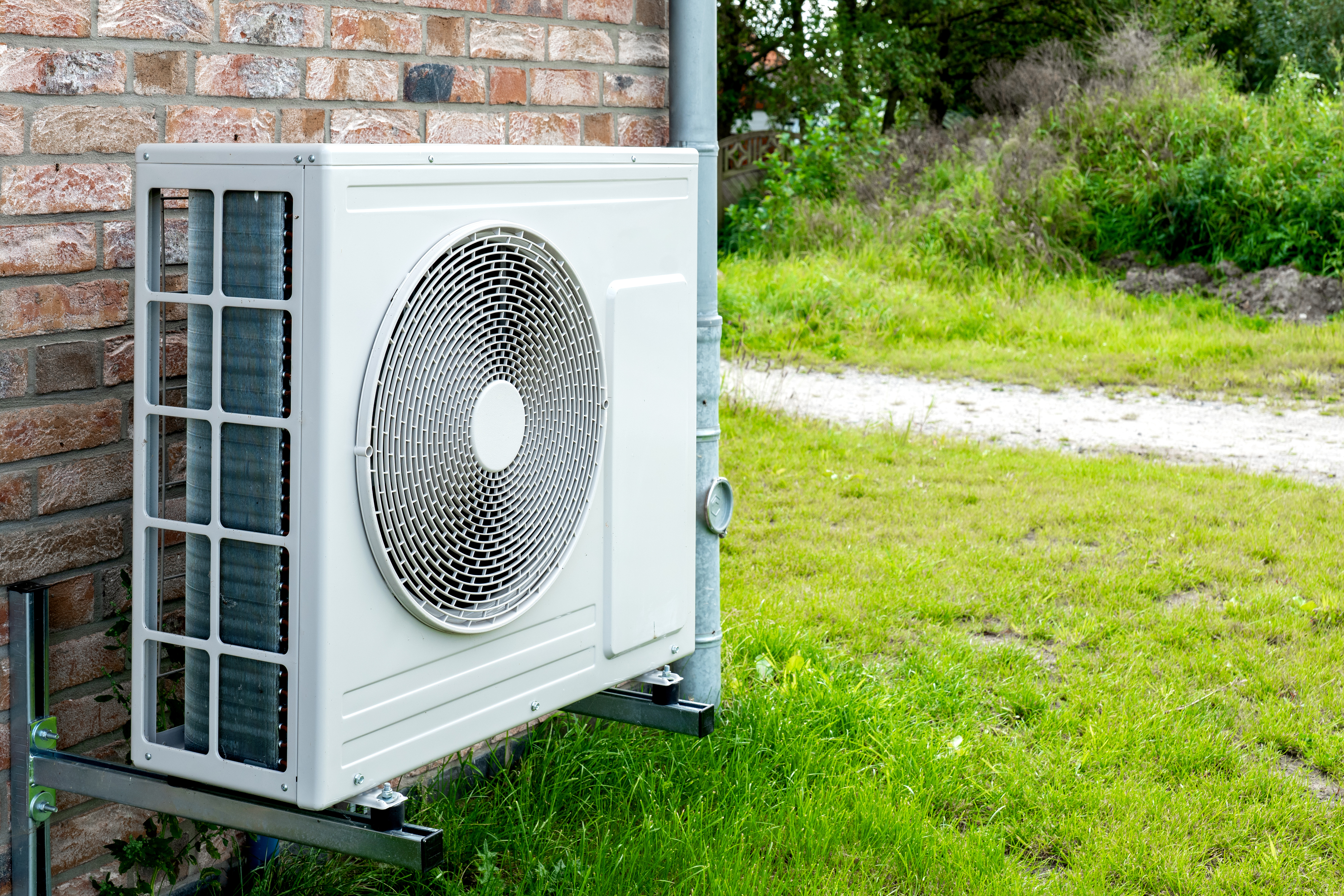
Ductless mini-splits consist of an outdoor compressor/condenser unit and one or more indoor air-handling units. These components are connected by a conduit containing power cables, refrigerant tubing, suction tubing, and a condensate drain. A key difference from central AC is that mini-splits do not require ductwork. Instead, the indoor unit, which includes a blower and evaporator, pulls in warm air and directly releases cool air into the room where it is installed, eliminating energy losses associated with ducts. The outdoor condenser then releases the absorbed heat outside. This makes them a convenient choice for homes without existing ducts or for cooling additional areas like garages or sheds.
Central Air Conditioners
Central air conditioning systems are ducted systems that use a network of ducts and vents to circulate cooled or heated air throughout a home. These systems typically include a condenser, compressor, and an air handling unit. Warm air from the house is drawn into return vents and sent to the air handler for filtration and cooling. The outdoor condenser supplies refrigerant to the indoor handler’s evaporator coils, which cool the air as it passes over them. The cooled air is then distributed through ducts and supply vents. Central AC is a perfect fit for houses that already have a duct system, though new ductwork can be added if needed.
⚖️ Pros and Cons: A Detailed Comparison
Choosing between a mini-split and central AC involves weighing their respective advantages and disadvantages based on your specific needs and home characteristics .
Ductless Mini-Split Systems
Pros:
- Ease of Installation: Mini-splits require only a three-inch hole in the wall to connect indoor and outdoor units, making installation quick and less disruptive compared to systems requiring extensive ductwork.
- Energy Efficiency: Due to the absence of ducts, mini-splits avoid the significant energy loss—up to 30%—that can occur in ducted systems. They deliver air directly to the intended area, increasing efficiency and reducing electricity costs. Modern mini-splits with high SEER ratings (Seasonal Energy Efficiency Ratio), some as high as 30s, are particularly energy efficient. They can use up to 60% less energy than standard electric radiators.
- Zoned Heating and Cooling: Mini-splits offer the flexibility to control the temperature of individual rooms or zones independently, allowing homeowners to cool or heat only the areas in use and thus save energy.
- Quiet Operation: Mini-splits produce minimal noise because the noisy compressor unit is located outdoors, and there is no air vibrating through ducts.
- Improved Air Quality: Many mini-split systems feature multi-stage filtration that can significantly reduce dust, bacteria, pollen, allergens, and other particulates in the air. Some units also have washable filters.
- Design Options: A variety of indoor unit designs, including wall-mounted, concealed, ceiling cassette, and floor-mounted options, allows for seamless integration with different interior aesthetics.
- Dual Functionality: Many mini-split systems also provide heating in addition to cooling, eliminating the need for a separate heating system in areas with milder winters.
- Long-term Savings: Although the initial cost can be higher, mini-splits can lead to considerable savings on utility expenses over time due to their superior energy efficiency.
Cons:
- Higher Initial Cost: The upfront purchase and installation cost of mini-splits can be higher than central AC, especially if multiple indoor units are needed for a larger home. A single 12,000 BTU unit can cost between $1,500 to $2,000, which is about 30% more than a central AC of the same capacity, not including ductwork costs. Overall costs can range from $2,000 to $10,500, or even $5,000 to $30,000 or higher depending on the number of zones and system size. Installation typically accounts for 30-50% of the total cost.- Aesthetic Concerns: Wall-mounted indoor units can be visually intrusive and may not appeal to all homeowners, potentially affecting a room’s design.- Limited Coverage for Large Areas: Mini-splits are generally not designed to cool very large houses efficiently with a single unit and are more suitable for smaller places or individual rooms. Multiple units may be required for large rooms, increasing costs.- Poor Ventilation: Mini-splits recirculate and condition the existing air in a room, rather than bringing in fresh outdoor air. This can lead to airborne particles, dust, and bacteria accumulating, possibly requiring additional air purification.- Maintenance Requirements: Regular maintenance, including cleaning filters and checking refrigerant levels, is essential for mini-splits to run efficiently.- Cold Climate Limitations: In extremely cold climates, the efficiency of mini-split systems can decrease, potentially requiring supplementary heating sources.
Central Air Conditioning Systems
Pros:
- Ideal for Larger Homes: Central AC units are designed to cool entire large homes consistently and comfortably, even during the hottest months.
- Clean, Ventilated Air: Central air conditioners filter and circulate air throughout the home, removing allergens, dust, and pollutants, which can improve indoor air quality and benefit those with allergies or respiratory conditions. They can also help regulate humidity.
- Unobtrusive Aesthetics: The indoor components of a central AC system, such as air handlers and ducts, are typically hidden in basements, garages, or within walls, preserving the home’s interior aesthetics. Only the unnoticeable vents are visible in rooms.
- Lower Initial Costs (with existing ductwork): If a home already has existing ductwork, the upfront cost of installing a central air conditioner can be about 30% less than that of a mini-split system.
- Increased Home Value: Installing a central air conditioning system can increase a home’s resale value and appeal to potential buyers.
Cons:
- Extensive Ductwork Requirement: If a home does not have existing ductwork, installing a central AC system requires significant and costly renovations, including opening up walls for duct installation. Retrofitting can be very expensive.- High Maintenance for Ductwork: The lengthy ductwork requires frequent maintenance, such as sealing leaks, cleaning, and adding insulation, which can be a hassle and lead to costly repairs if ignored.- Higher Operating Costs: Energy loss through extensive ductwork can account for high energy consumption and increased electricity bills, especially if ducts are not well insulated. Cooling an entire home when only a few rooms are in use can also lead to higher bills.- Noise Levels: Central air conditioners can produce noise due to vibrations as air passes through the ducts.- Installation Disruption: Installing a central AC system, particularly in homes without existing ductwork, can be disruptive to daily life due to the structural modifications required.- Space Requirements: Central air conditioning systems require space for the outdoor compressor unit and the indoor ductwork, which can be a challenge for homes with limited outdoor or indoor space.
🤔 Which System is Right for You?
The best cooling system for your home depends on various factors, including your specific cooling and heating needs, house size, aesthetic preferences, and budget.
- Varying Cooling/Heating Needs: If different family members prefer varied temperatures or you have multiple rooms requiring distinct temperature settings, a mini-split system with its individual room control (zoning) is a flexible and non-invasive solution. While central AC can also be zoned, it typically requires more invasive duct modifications.
- Size of Your Home: Central air conditioners are better suited for larger homes requiring consistent cooling throughout. For smaller spaces, individual rooms, or additions disconnected from existing ductwork, mini-splits are an excellent choice. If you only need to cool certain rooms on specific days, mini-splits can be a good option for a large home, though more units increase cost.
- Noise Sensitivity: If quiet operation is a priority, modern mini-splits are generally much quieter than central AC systems because they lack noisy ductwork.
- Aesthetic Preferences: If you prefer a cooling system that is largely out of sight, central AC, with its hidden indoor units and unobtrusive vents, might be more appealing. While mini-split indoor units are visible, there are concealed options available.
- Energy Efficiency Goals: Mini-splits generally offer higher energy efficiency with SEER ratings often reaching into the 30s, compared to central AC systems that typically range from 13 to 26 SEER. This can lead to lower energy bills over time. Homeowners may also be eligible for tax credits or utility rebates for installing energy-efficient systems, including central AC units that meet certain SEER2 and EER2 requirements.
- Existing Ductwork: If your home already has a duct system, a central air conditioning unit is a straightforward choice. If there is no existing ductwork, ductless mini-splits offer a significantly easier and less disruptive installation.
- Budget: Consider both the initial installation cost and long-term operating costs. While mini-splits may have a higher upfront cost, their energy efficiency can lead to lower bills over time. Central AC can be more affordable initially if ductwork is already in place.
Ultimately, a professional HVAC specialist can provide a comprehensive evaluation of your home and specific needs to help you make the most informed decision