
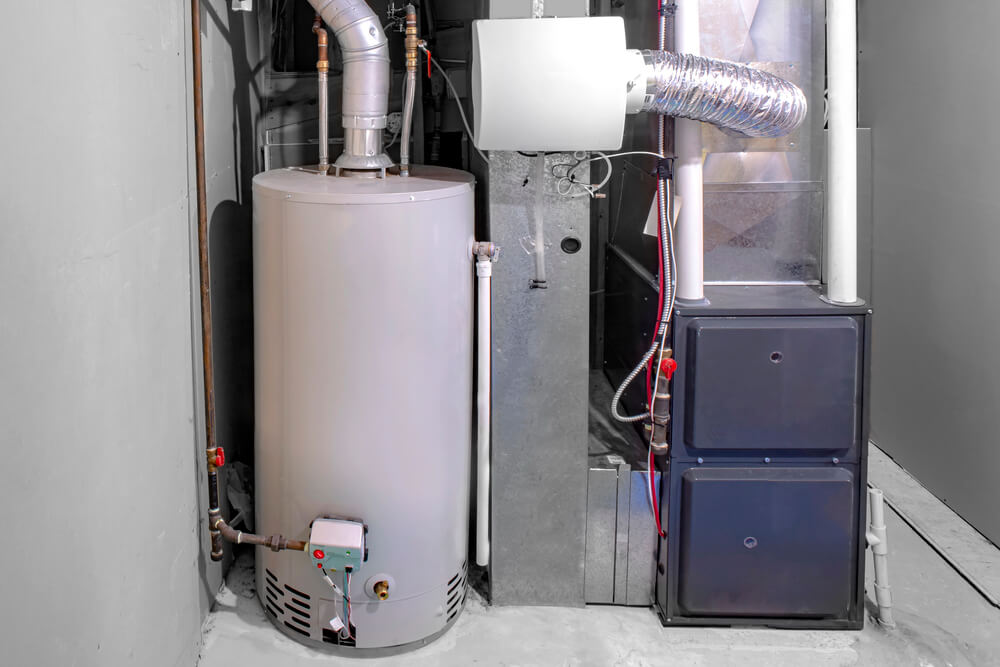

Have you ever wondered how long your furnace is supposed to last? While every home and climate is different, and maintenance plays a huge role, most furnaces do follow a typical lifespan—and they’ll usually give you clear signs when it’s time to start thinking about a replacement.
How Long Does a Furnace Typically Last?
Most residential furnaces last somewhere around 15 to 20 years on average. However, this can vary. Some furnaces chug along longer, especially if they’re high-quality units that had proper installation and regular tune-ups.
On the other hand, heavy use, harsh climates, or poor maintenance can wear down a furnace well before the 15-year mark. Factors like proper sizing (since an oversized or undersized furnace has to work harder), how frequently you use the furnace, and even the way you set your thermostat all play a role in improving or degrading the life of your furnace.
Electric Furnace
An electric furnace generally runs 20 to 30 years on average. Because electric furnaces don’t have combustion (no burning gas or oil), there’s less corrosion and fewer soot-related issues.
Electric furnaces also have fewer moving parts, so there’s less that can break. The trade-off is that electricity can be a more expensive energy source, but in terms of longevity, electric furnaces are workhorses.
Natural Gas Furnace
A well-maintained gas furnace usually lasts about 15 to 20 years. Gas furnaces provide strong, cozy heat, but burning fuel and frequent winter cycling can take a toll on parts over time.
In fact, gas models tend to have the shortest average lifespan among furnace types and may start needing more repairs once they hit the 10-year mark. With annual maintenance, though, a gas furnace can often reach the upper end of that 15 to 20 year range before performance drops off.
Propane Furnace
Propane furnaces are similar to natural gas units in how they operate, and they have a comparable lifespan of about 15 to 25 years. Propane burns cleanly and provides a lot of heat, which helps these furnaces last a long time with proper upkeep.
In rural areas or homes off the natural gas grid, a propane furnace can reliably heat for two decades or more. Just like other fuel-burning furnaces, consistent maintenance will help a propane furnace’s lifespan.
Oil Furnace
Oil-fired furnaces are known for their durability and typically last around 20 to 25 years. These furnaces often have very robust heat exchangers to handle the hotter flame and occasional soot from burning oil. With annual tune-ups (cleaning out soot, changing filters, and keeping the burner in good shape), an oil furnace can sometimes even exceed 25 years.
Dual-Fuel Furnace
A dual-fuel system combines an electric heat pump with a gas (or propane) furnace. The furnace in a dual-fuel setup doesn’t have to work as often, since the heat pump handles heating on milder days. This reduced workload can help the furnace last around 20 to 25 years.
Essentially, the heat pump takes the strain during cool weather, so the furnace only kicks on in the coldest temps. However, keep in mind that the heat pump component will have its own lifespan of about 10–15 years of hard work.
Two-Stage Furnace
Two-stage furnaces can adjust between a low and high heat output, and this flexibility often helps them reach or even exceed their typical 15- to 20-year lifespan. Because they usually run on the gentler low setting, these systems put far less stress on the burner and blower.
By avoiding constant full-throttle operation, the internal components experience significantly less strain. With proper maintenance, that reduced wear and tear can help a two-stage furnace outperform a comparable single-stage system.
Single-Stage Furnace
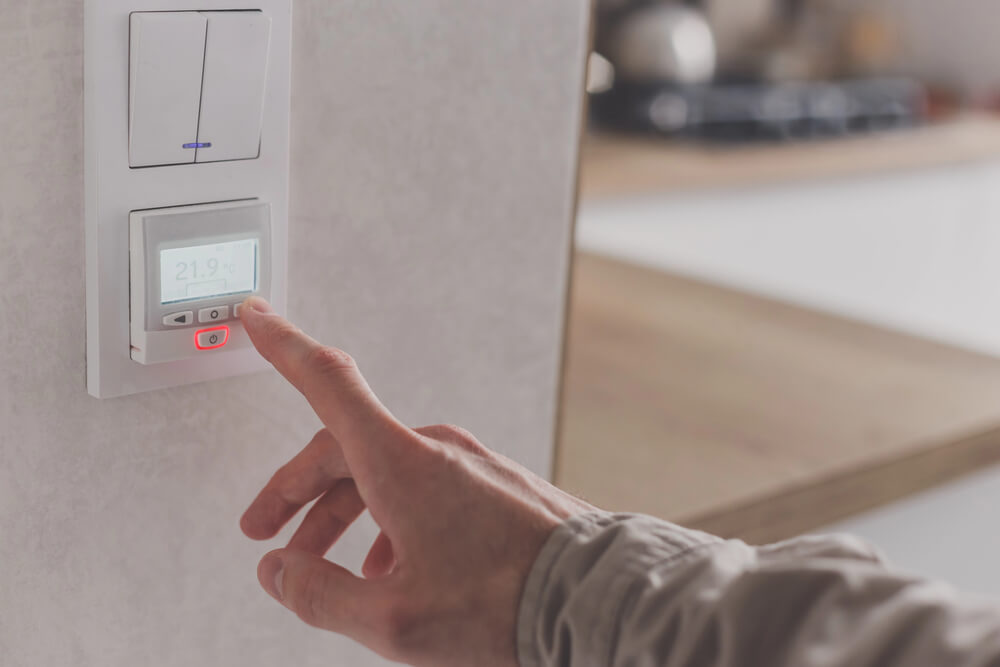
Single-stage furnaces are the traditional type and will typically last around 15 years. They’re either ON at full blast or OFF, with no middle setting. They are mechanically simpler, but running at 100% every time means they tend to cycle more frequently and can wear out parts faster.
Modulating Furnace
A modulating furnace can continuously adjust its heating level in small increments, and this ultra-smooth operation is a big reason many of them last well over 20 years. Because they typically run at a steady, low power instead of constantly cycling on and off, they avoid the harsh start-stop stress and high heat bursts that wear components down.
With routine maintenance, modulating furnaces often have the longest lifespans of any gas furnace type. They deliver exceptionally even heat, and all that gentle ramping up and down helps keep the system healthier for the long haul.
Condensing Furnace
Condensing furnaces are high-efficiency models (90%+ AFUE), and despite their added complexity, many last 15–20+ years or even longer. These systems use a secondary heat exchanger to pull extra heat from the exhaust, giving them a lifespan that can match or exceed a standard furnace.
Because they extract heat more efficiently, they often run shorter heating cycles—the burner doesn’t need to stay on as long to warm your home—which reduces overall wear. Clearing vents and managing condensate drainage helps condensing furnaces stay efficient and dependable for many years of cozy heat.
Help Your Furnace Last Longer With Support From All Aboard Services
As a homeowner, you need a team of professionals who can help your furnace last as long as possible by giving you expert support tailored to your home. All Aboard Services is a family-owned, values-driven company that provides trusted heating, cooling, electrical, plumbing, and solar solutions.
Our certified, background-checked technicians show up on time, treat your home with respect, and give you honest, written estimates before any work begins. They’ll walk you through what maintenance your furnace needs and help you plan ahead so you’re never surprised by a breakdown.
When you’re ready to keep your system running efficiently for years to come, turn to All Aboard for professional, trustworthy heating services in Northern Utah.