

When the power goes out, knowing how big a generator you need can mean the difference between running your appliances and constantly juggling what you can turn on.
Key Takeaways
- A properly sized generator runs efficiently, uses fuel wisely, and delivers stable power.
- List what must stay on during an outage, then size your generator based on the largest startup surge.
- Oversized units waste money, while undersized generators can shut down in winter weather.
Power outages are stressful, especially when you’re not sure what will keep running and what won’t. Choosing the right generator isn’t about buying the biggest unit you can afford. It’s about matching your home’s needs with the right amount of power. But how do you know what size generator you need? Understanding a few basics can help you avoid wasted money, overloaded systems, and dark nights when the power goes out.
How Do You Know What Size Generator You Need?
Choosing the right generator size starts with knowing your power priorities. Think about what you must keep running during an outage versus what you can live without. Make a list of essential devices in your home, for example:
- Refrigerator
- Furnace blower
- Water heater
- Lights
- Medical equipment
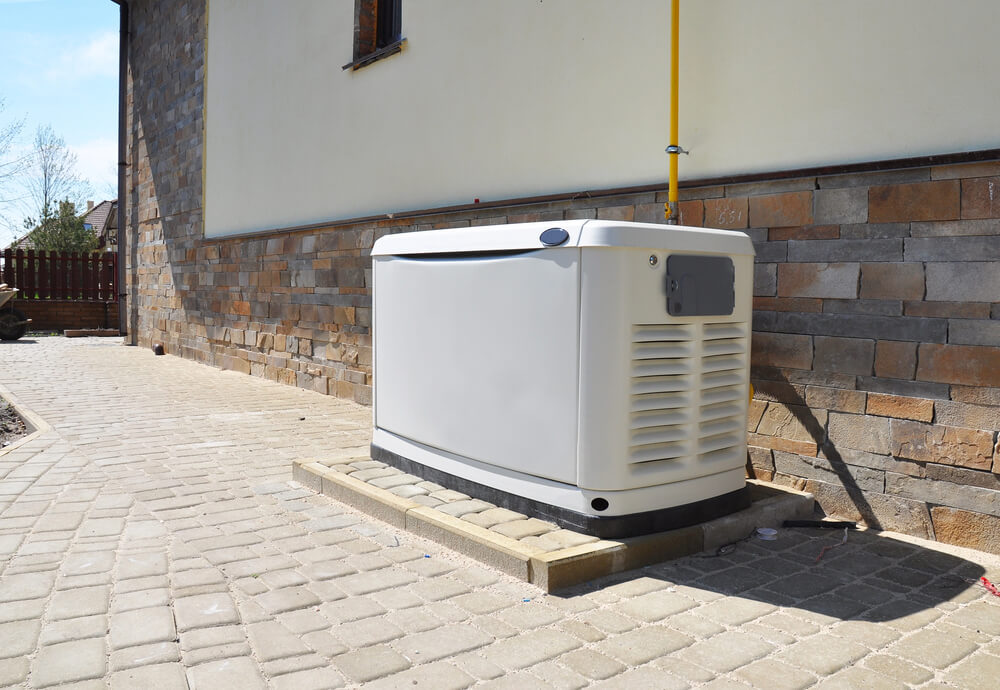
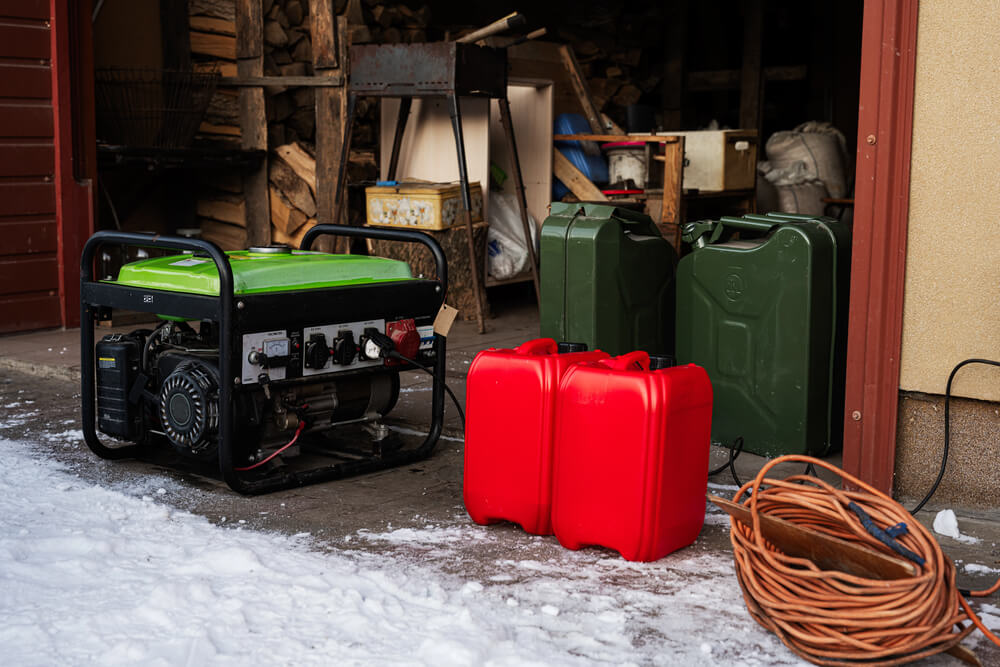
The more stuff you want to power, the bigger generator you’ll need. If you only need to keep a few essentials running, a smaller portable generator might do. But if you aim to run almost everything in your house, you’ll need a much larger unit or a whole-house standby generator.
How Do You Calculate the Wattage Your Generator Needs?
Figuring out what size generator you need to run a house is simpler than it sounds. Every appliance uses electricity, and you measure that usage in watts. To find watts, you multiply the electrical pressure by the amount of electricity flowing.
Watts = voltage (how strong the power is) × amps (how much power is flowing)
You can usually find this information on the appliance label or in the manual. If an appliance says 120 volts and 5 amps, you multiply those numbers to get 600 watts.
Running vs. Starting Watts
Start by looking at the running watts for each appliance. This is the amount of power it needs to stay on. Next, watch out for appliances with motors or compressors, like refrigerators, air conditioners, or well pumps. These need extra power for a short moment when they start up. That extra power is called starting watts, and it’s often about two to three times higher than the running watts.
Add Up Your Total Power Needs
To size your generator, follow this simple process:
- Add up the running watts for everything you want to power at the same time.
- Take the largest starting wattage from one appliance and add it to that total.
You don’t need to add all starting watts together because not everything starts at once. Your generator just needs to handle the biggest surge plus the normal running load.
For example, if you plan to run a refrigerator (600 running watts, 1,800 starting watts), some lights (100 watts), and a furnace blower (600 running watts), your running total is about 1,300 watts. The largest startup surge is the refrigerator at 1,800 watts. Add those together, and you get about 3,100 watts.
That means you’d want a generator rated for at least 3,100 running watts. To stay safe and avoid pushing the generator too hard, it’s smart to size up by about 20 to 25%. In this case, a 4,000-watt generator gives you comfortable breathing room.
What Happens When Your Generator Is Too Large?
Why not just get a bigger generator so you’ll always have extra power? The truth is, bigger does not automatically mean better. The generator needs the right amount of load to run properly.
Oversized Generators Waste Money and Fuel
Generators work best when carrying a decent load (around 50 to 75% of their capacity is an optimal range). If you buy a much larger generator and only ever use 20% of its power, it’s inefficient and wasteful. You’ll spend more money upfront for capacity you don’t use, and you’ll likely burn more fuel per kilowatt than necessary.
Low Load Can Cause Engine Problems
Running a generator at very low load can also cause engine issues over time. With too little demand, the engine may not run hot enough to fully burn fuel. This can lead to carbon buildup in the engine and exhaust. That buildup can foul spark plugs, contaminate oil, and increase wear on the generator.
Bigger Units Come With Practical Downsides
Larger generators can also be louder and bulkier. If it’s portable, you’re dealing with more noise and weight for no real benefit. If it’s a standby unit, an oversized system may cycle inefficiently, leading to more wear.
What Happens When Your Generator Is Too Small?
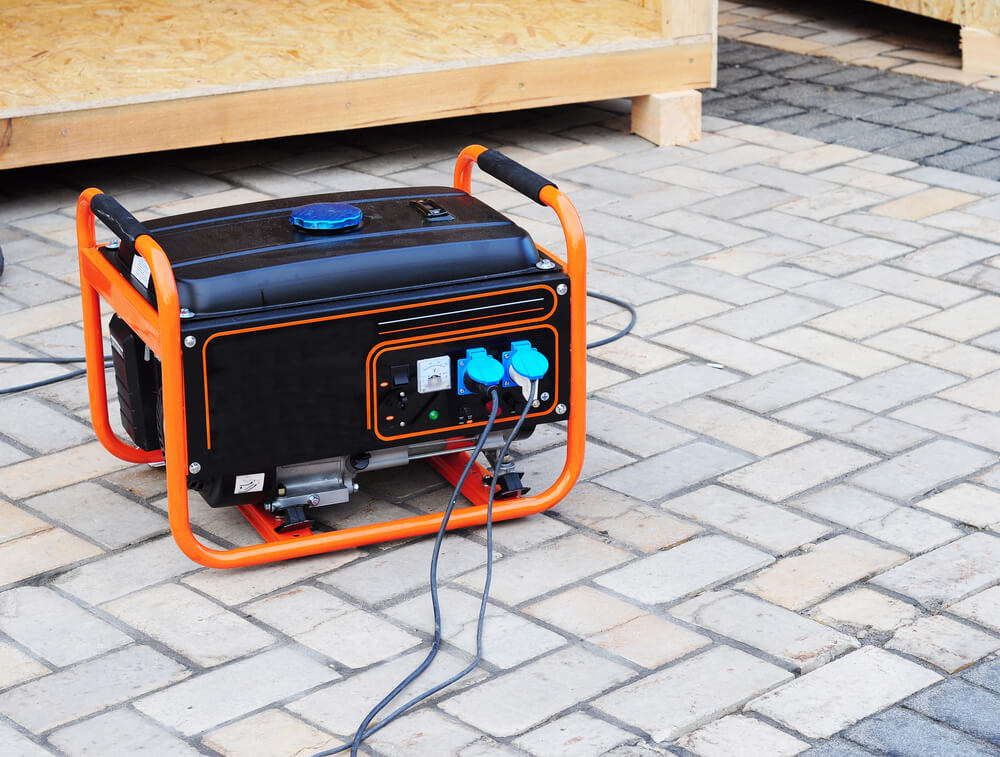
A generator that’s too small can be just as problematic. If the unit can’t handle your needs, you’ll constantly be choosing which appliances to run and which to shut off. You may find that you can run the fridge or the microwave, but not both at the same time. If you accidentally overload the generator, it will likely trip a breaker or shut down entirely to protect itself.
Overloading Shortens Generator Life
Running a generator at its maximum capacity for long periods puts extra stress on the engine and electrical components. When you constantly push a generator to its limit, it runs hotter, wears down parts faster, and is more likely to need repairs sooner than expected.
Unstable Power Can Damage Electronics
There’s also the issue of unstable power. When a generator is maxed out, voltage and frequency can fluctuate. That kind of inconsistency can damage sensitive electronics like TVs, computers, and modern furnace controls.
Cold Weather Makes Undersizing Risky
In a Northern Utah winter, an undersized generator could leave you without heat if it shuts down overnight. The right size generator for your home should handle your essentials comfortably, without putting strain on the system or forcing you to constantly monitor what’s running.
Get Help Choosing the Right Generator Size for Your Home
All Aboard Services connects you with licensed electricians and generator experts who know how to find the right size generator for your home. You get clear guidance based on real load calculations, so your system runs efficiently without overload or wasted fuel.
From whole-home standby generators to portable systems and transfer switches, All Aboard Services delivers safe installs and reliable performance. Every project is backed by a 1-year warranty, giving you extra peace of mind. When outages hit, turn to All Aboard for trusted Northern Utah generator installation and repair.