
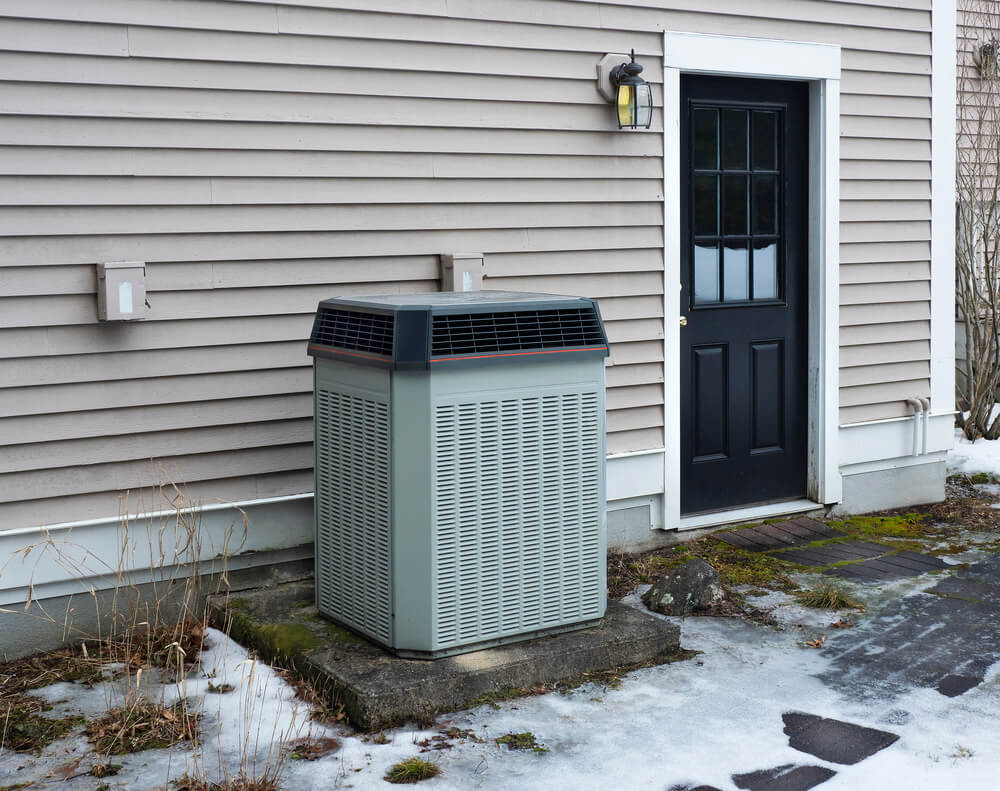

The type of AC unit and how well you take care of it can affect how long your unit lasts.
Key Takeaways
- With good maintenance, central AC systems often run 15+ years, while smaller units like window or portable ACs have shorter lifespans.
- Factors like how often you use the AC and whether it was installed correctly all affect an air conditioner’s life expectancy.
- It’s usually worth repairing a newer AC with minor issues, but it’s typically better to replace an older unit or one with major problems.
It’s easy to take your air conditioner for granted until the air stops feeling crisp or the monthly energy bills start to climb. If your system is starting to show signs of age, it’s important to understand what factors might be shortening its life and how long air conditioners last on average.
This guide explores the typical lifespan of every major cooling system and provides tips on how to keep yours running efficiently for as long as possible.
How Long Do AC Units Last?
On average, home air conditioners work well for about 10 to 15 years. With excellent care, some can even run for 20 years or more before wearing out. But how long your unit will last depends on what type it is.
Typical Central Air Conditioner Lifespan
A central air conditioner (the kind that cools your whole home via ducts) usually lasts around 12 to 15 years if it’s properly installed and maintained. In a place like Northern Utah, where you mainly use your central AC during hot summers and give it a break during cold winters, units often reach the higher end of that range.
Remember that central air units often share the same air handler and ductwork as your heating system. Because of this, it’s common for homeowners to compare their AC’s health to their furnace lifespan, which is generally a bit longer at 15 to 20 years. If your AC is failing and your furnace is also nearing the end of its life, it might be more cost-effective to replace both at once to ensure your entire HVAC system runs efficiently.
Typical Heat Pump Lifespan
You can expect a heat pump to last about 10 to 15 years. Heat pumps provide both cooling in summer and heating in winter, so they work year-round. Because of this heavy use, heat pumps tend to have a bit shorter lifespan than a central AC that’s used seasonally.
Typical Ductless Mini-Split Lifespan
Ductless mini-split systems, which are often used to cool and heat individual rooms, commonly last around 15 to 20 years. While many mini-splits operate as heat pumps, their design and zoning capabilities often allow them to last longer than traditional ducted systems.
Keep in mind that if you use these units for both cooling and heating, they’ll see year-round use, which will impact their lifespan. Even so, their advanced technology helps reduce wear and tear, often letting them outlast equivalent traditional central AC units.
Typical Window Air Conditioner Lifespan

Window AC units typically last about 8 to 10 years. One reason that these air conditioning units have a shorter lifespan is that they’re partially exposed to the elements, which can age them faster.
In Northern Utah, you might remove or winterize your window AC during the cold season, which can help it last longer than it would in a year-round hot climate. Even so, if your window unit is pushing a decade old, you should be prepared to replace it when it starts struggling.
Typical Portable Air Conditioner Lifespan
Portable air conditioners, those floor units on wheels with a vent hose, typically last around 5 to 10 years, with 7 years being the more conservative maximum. They’re a handy solution for small spaces or rentals, but they’re not built to be durable for decades.
What Factors Affect an Air Conditioner’s Life Expectancy?
A few key factors play a big role in how long air conditioners last:
- How Often You Use It: An air conditioner that runs constantly, especially in very hot climates or year-round, will wear out faster than one used seasonally.
- Regular Maintenance: Regular upkeep, such as changing filters, cleaning coils, and scheduling annual tune-ups, helps prevent wear and buildup that can impact your AC’s life expectancy.
- Quality of Installation: An AC unit that’s correctly sized and set up by a qualified technician will last significantly longer than one installed poorly.
- Local Climate and Weather Conditions: Extreme heat, humidity, pollution, and severe weather increase strain on an AC system.
A system that’s properly installed and maintained by HVAC technicians can add years to its lifespan and help you avoid those frustrating breakdowns that always seem to happen on the hottest days of the year.
When Should You Repair or Replace Your Air Conditioner?

Eventually, every air conditioner starts to struggle or break down, and you’ll face the decision of repairing it or replacing it with a new unit. You don’t want to waste money fixing an old AC that’s on its last legs, but you also don’t want to replace a unit that only needs a simple repair.
When To Repair Your AC
You’ll generally want to repair your air conditioner instead of replacing it if the problem is fixable at a reasonable cost and the unit still has life left in it. Here are some guidelines for when repair is the best option:
- Your AC is less than 10 years old and hasn’t had many problems.
- The issue is minor or limited to a single component.
- The system is still cooling your home effectively.
- Your energy bills haven’t increased significantly.
- Repair costs are much lower than the cost of a full replacement.
You can often get more years out of your existing unit if you address problems early and continue with regular maintenance so that the same issue doesn’t recur.
When To Replace Your AC
At a certain point, it makes more sense to replace an old air conditioner rather than keep fixing it. Here are clear signs that it’s time to replace your AC instead of repairing it again:
- The AC is 15 years old or nearing the end of its expected lifespan.
- Breakdowns happen frequently or require repairs every cooling season.
- The system struggles to cool the home or runs constantly without reaching the set temperature.
- Your energy bills keep rising even though your usage habits haven’t changed.
- Major components have failed, and repairs are more expensive compared to replacement.
If one or more of these conditions apply, it’s probably time to start shopping for a replacement AC. Modern air conditioners offer improved energy efficiency and updated technology, so there are benefits to upgrading beyond just avoiding repair costs.
How Much Life Does Your Air Conditioner Have Left?
While knowing your cooling system’s age gives you a general idea of what to expect, how long your air conditioner lasts really comes down to how well it is maintained. All Aboard Services provides regular tune-ups and quick fixes that can add years to your unit’s life and keep your energy bills from spiking.
Our services stand out for clear communication, dependable workmanship, and warranties that give homeowners added peace of mind. From same-day estimates to guaranteed satisfaction, our team focuses on long-term comfort, not short-term fixes.
If your AC is aging or showing signs of trouble, working with an honest, local provider is the smarter financial choice. Get a free estimate for professional AC repair in Northern Utah to see how All Aboard can protect your system and your comfort.