


Utah’s air quality can affect the air inside your home, but proper filtration, ventilation, and HVAC maintenance can help reduce indoor pollution.
Key Takeaways
- Inversions, summer ozone, wildfire smoke, and regional dust influence Utah’s air quality.
- Outdoor pollution can enter your home through small gaps and your HVAC system.
- Upgraded filters, reduced indoor pollutants, and professional HVAC service can all improve indoor air quality.
Utah’s air quality changes throughout the year, and those changes don’t stop at your front door. Pollution can enter your home through small openings and your HVAC system. If you want healthier indoor air, it helps to understand what’s happening outside first and how to combat it.
Does Utah Have Bad Air Quality?
Not all of Utah has poor air quality, but some areas experience it more often than others. In fact, the American Lung Association has ranked the Salt Lake City metro area among the top 10 most ozone-polluted cities in the United States in recent reports. Across the state, air quality can shift quickly depending on temperature, wind, and pollution levels.
Why Is Utah’s Air Quality So Bad?
Utah’s periods of poor air quality are strongly influenced by its geography, especially along the Wasatch Front. Mountains surround many communities. In the winter, cold air becomes trapped under a layer of warm air.
This weather pattern, called an inversion, prevents pollution from rising and dispersing. Instead, emissions from vehicles, wood burning, and industry build up near the ground, right where you live and breathe. Those fine particles can also seep into your home through small gaps and your HVAC system.
Summer Ozone
Summer brings ozone. Ground-level ozone forms when vehicle emissions and other pollutants react with sunlight. On hot, sunny days, ozone levels can rise quickly, especially in urban areas. When outdoor ozone and other pollutants increase, your indoor air can be affected as outside air circulates in.
Wildfire Smoke and Dust
Wildfires also affect Utah’s air quality. Smoke from fires can travel long distances and increase particle pollution. In addition, shrinking water levels at the Great Salt Lake have raised concerns about windblown dust contributing to regional air quality issues. Dust particles can settle indoors and circulate through your home without proper filtration.
How Can You Improve Indoor Air Quality?
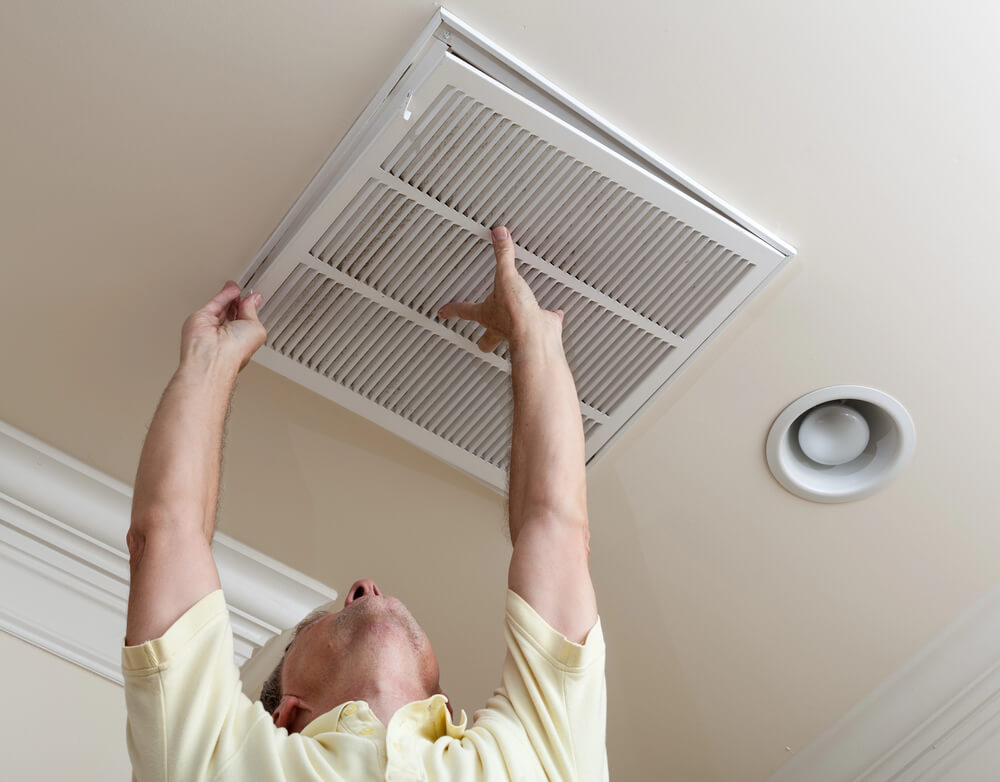
While you can’t control outdoor pollution, you can reduce its impact inside your home in a few different ways.
1. Improve Ventilation
Ventilating your house brings fresh air inside and pushes stale air out. However, when outdoor air quality is poor, opening your windows can actually bring pollution inside. On those days, it’s better to keep windows closed and use your home’s ventilation system or HVAC fan to circulate and filter the air instead.
2. Upgrade Your Air Filtration System
Inside your HVAC system is an air filter. Its job is to trap dust and other particles before the air circulates through your home. Basic filters catch larger dust particles, but higher-efficiency filters—often labeled MERV 11 to MERV 13—can trap smaller particles like smoke and fine dust. These filters provide better protection during poor air quality days.
However, not every system is designed for thicker, high-efficiency filters. A professional HVAC technician can check your system to make sure it can handle the upgrade without restricting airflow.
3. Reduce Indoor Pollutants
Limit activities that add pollutants indoors. Avoid smoking inside. Use kitchen and bathroom exhaust fans when cooking or showering. Vacuum regularly using a HEPA-filter vacuum to capture fine particles. Even simple habits like removing your shoes at the door can also reduce tracked-in dust and contaminants.
4. Schedule Professional HVAC Maintenance
Regular HVAC maintenance helps your system do its job correctly. Over time, dust can collect on internal parts, filters can clog, and ducts can develop small leaks. These issues reduce airflow and limit how well your system filters the air inside your home.
During a professional inspection, a technician checks and cleans key components, replaces worn parts, and ensures air is moving properly through the system. This helps your equipment run more efficiently and improves indoor air quality.
Better Indoor Air Quality in Utah Starts With the Right HVAC Solutions
Even when Utah’s outdoor air quality drops, proper filtration, ventilation, and routine maintenance can help reduce how much pollution makes its way into your home. All Aboard Services understands how Utah’s changing air conditions impact your indoor environment and provides professional support to help you breathe easier.
Our certified technicians use advanced diagnostic tools to check for allergens, mold spores, VOCs, excess humidity, and other pollutants. From air duct cleaning and UV germicidal light installation to whole-home filtration systems and humidity control, we tailor our recommendations to your home’s needs.
If you’re ready to protect your family’s comfort and health, contact All Aboard Services today for trusted air quality solutions.