

Do Whole Home Humidifiers Work Well?
If dry air is making your home uncomfortable, a whole-home humidifier could be the fix you need.
Key Takeaways
- Whole-home humidifiers connect to your HVAC system and maintain consistent moisture levels throughout the house.
- A portable humidifier can treat only one room at a time and requires constant upkeep.
- The most common signs you need a whole-home humidifier include dry skin, static shocks, cracking wood, and indoor humidity levels that stay below 30%.
If your skin is dry, your wood floors are creaking, and you keep getting zapped by static electricity every time you touch a doorknob, your home’s air is probably too dry. A humidifier adds moisture back into the air to get the humidity back in balance.
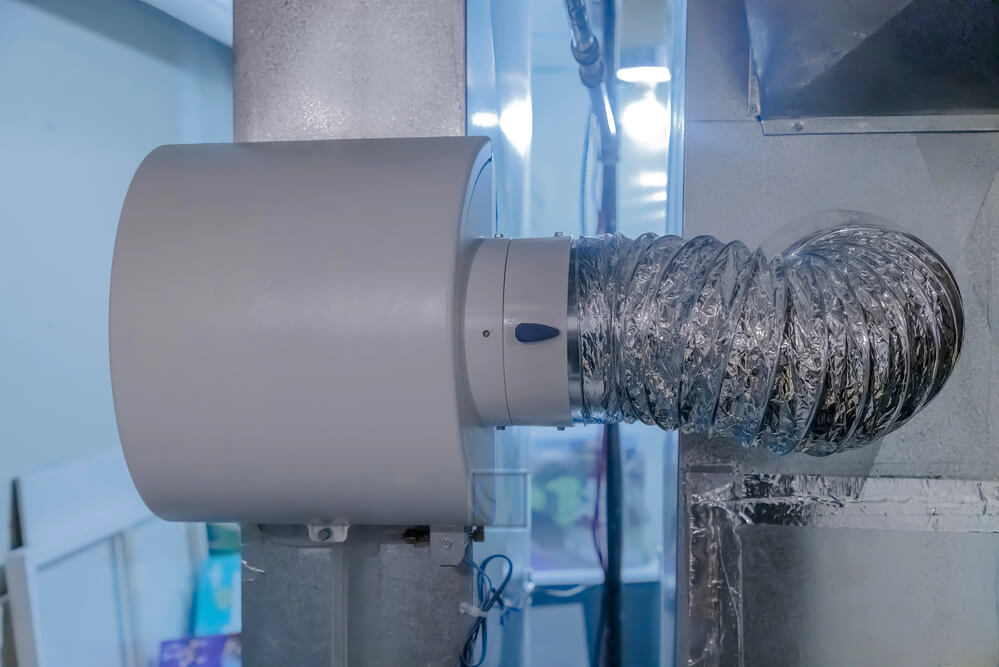
A whole-home humidifier, sometimes called a “central humidifier,” does this for your entire house at once rather than just one room. It connects directly to your home’s heating and cooling system to distribute moisture evenly wherever your air goes. But do whole-home humidifiers work well enough to be worth the investment?
How Does a Whole-Home Humidifier Work?
Depending on the type of system, moisture either evaporates from a water panel or enters the airstream as steam, then travels through your ducts to different areas of the home.
Most systems include a built-in humidistat, which works a lot like a thermostat but for moisture. You set your target humidity level, and the system turns on and off automatically to keep the humidity in that range. The sweet spot for indoor comfort is generally between 30% and 50% relative humidity.
How Well Do Whole-Home Humidifiers Work?
When properly sized and installed, whole-home humidifiers are highly effective. Because the system works through your existing ductwork, moisture reaches your living room, bedrooms, hallways, and less-used spaces all at once.
Humidified Air Can Make Your Home Feel Warmer
Humidified air can make your home feel warmer because dry air pulls moisture from your skin, which can make you feel cooler. With balanced humidity, the same thermostat setting may feel more comfortable, which could help you avoid turning up the heat as often. That comfort difference can add up to real savings on your heating bills over a full winter season.
Balanced Humidity Can Improve Indoor Air Quality
Your indoor air quality improves with a humidifier as well. Dry air irritates nasal passages, aggravates respiratory issues, and makes it easier for viruses to spread from person to person. Keeping humidity in that 30–50% range helps your airways stay moist and may reduce some of the irritation that comes with dry indoor air.
Utah’s outdoor air quality can make indoor comfort even harder to manage during certain seasons, especially when dust, smoke, or pollution keeps windows closed and traps dry air inside. A humidifier helps restore balanced moisture so the air feels less harsh on your nose, throat, and lungs.
Are There Different Types of Whole-Home Humidifiers?
There are a few different types of whole-home humidifiers:
- Bypass humidifiers use your furnace blower to move air through a water panel.
- Fan-powered humidifiers have their own internal fan and can run even when the furnace isn’t actively heating.
- Steam humidifiers heat water to create vapor directly and can handle larger homes or drier climates, putting out the most moisture of any type.
A licensed technician can help you compare the different types of humidifiers, choose the right system, and make sure it’s installed correctly so that your home gets steady humidity all season long.
Do Whole-House Humidifiers Work Better Than Portable Humidifiers?
For whole-house comfort and convenience, a whole-home humidifier usually works better than a portable unit. Portable humidifiers can help in a single room, but even large console-style models aren’t designed to balance humidity throughout an entire house.
Maintenance is where the difference between portable and whole-house humidifiers is most obvious. Portable humidifiers need daily water refills and frequent cleaning to prevent mold and bacteria from building up in the tank. A whole-home system connects directly to your water supply and typically only needs a water panel filter replaced once a year.
Are There Any Downsides To Using Whole-Home Humidifiers?
Whole-home humidifiers are low-maintenance and hands-off, but there is one thing worth watching: excess moisture. If indoor humidity climbs above 50%, you can start seeing condensation on windows, and sustained high moisture levels can encourage mold growth.
However, the built-in humidistat that comes with most whole-home systems handles this automatically by shutting the unit off once your target level is reached. For extra peace of mind, a hygrometer, which is an inexpensive tool available at any hardware store, lets you spot-check actual humidity levels in different rooms throughout the house.
What Are the Signs You Need a Whole-Home Humidifier?

Dry air usually shows up in ways you can feel and see around your home. If you notice several of these problems during the winter, your home may need better humidity control:
- Dry, itchy skin or chapped lips
- Frequent dry throat, stuffy nose, or nosebleeds
- Static shocks around the house
- Cracking wood floors, trim, doors, or furniture
- Rooms feel colder than the thermostat says
- Houseplants dry out quickly
- Indoor humidity often stays below 30%
If you’re seeing more than a couple of these signs at once, dry air is likely part of the problem.
How Long Does It Take for a Whole-House Humidifier to Work?
A whole-home humidifier won’t balance your home’s humidity overnight because a central system has a large volume of air to treat. Most homeowners start noticing a difference within a few hours, but the humidity throughout the whole house typically stabilizes somewhere between 24 and 48 hours after first startup.
Dry materials in your home, like wood furniture, drywall, and flooring, absorb moisture before the air itself can stabilize. Once your home gets through that initial adjustment period and reaches your target humidity level, later runs are much faster. From there, the humidistat automatically turns the humidifier on and off as needed to keep your home at the set level.
Improve Indoor Comfort With a Whole-Home Humidifier
Whole-house humidifiers work well for northern Utah homeowners dealing with dry winters and furnace-heated air. If you’re struggling with dry air, call All Aboard Services. We’ve been solving home comfort problems across northern Utah for nearly 50 years.
Our licensed technicians handle the full installation and make sure your system is the right size for your home. You’ll receive a free written estimate before any work begins, with financing options available to help make the investment more manageable.
Take control of dry indoor air before it affects your comfort, your home, and your health. Schedule your whole-home humidifier installation with All Aboard Services today.